Amazon India Workers Protest: Amazon employees in India have joined a worldwide protest under the “Make Amazon Pay” campaign, demanding better wages, improved working conditions, and union recognition.
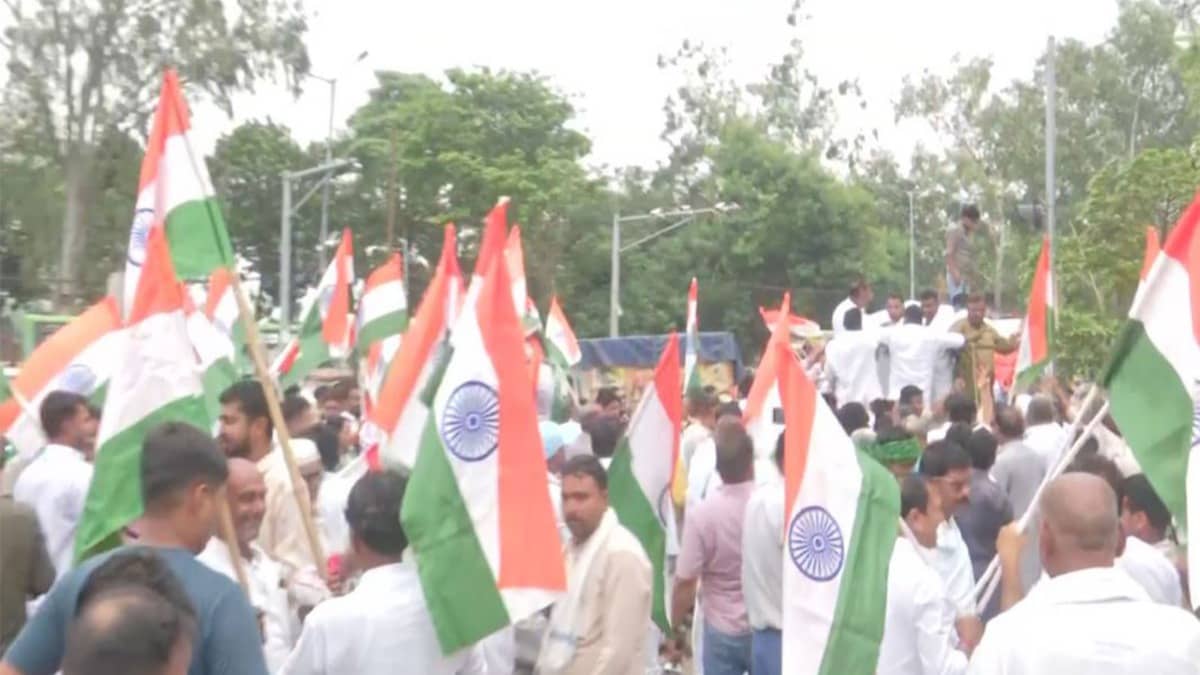
Workers from cities such as New Delhi, Agra, Patna, Rishikesh, and Varanasi have rallied, with New Delhi protestors gathering at Jantar Mantar and raising their demands through the campaign hashtag on social media.
The strike, timed around the Black Friday and Cyber Monday sales, is part of a global movement spanning over 20 countries, including the United States, the United Kingdom, Germany, Brazil, and Japan.
Organised by UNI Global Union and Progressive International, this marks the fifth consecutive annual strike against Amazon, highlighting alleged labour rights abuses, environmental negligence, and corporate accountability concerns. Christy Hoffman, General Secretary of UNI Global Union, stated, “We stand united in demanding that Amazon treat its workers fairly, respect fundamental rights, and stop undermining the systems meant to protect us all.”
Amazon Workers’ Demands: Fair Pay and Humane Conditions
In India, many Amazon employees reportedly earn as little as Rs 10,000 per month, far below their demand of Rs 25,000, a critical issue in the current inflationary climate. Workers have also raised concerns over unsafe work environments, including being forced to labour during peak summer heat without adequate breaks.
The protests further spotlight the lack of union recognition and collective bargaining rights for workers. Last year, India’s National Human Rights Commission issued a notice to Amazon India following allegations of unsafe conditions, which the company denied, claiming compliance with local labour laws.
The “Make Amazon Pay” campaign reflects broader struggles faced by gig economy workers, underscoring the growing disparity between corporate profits and worker welfare. This coordinated global strike serves as a reminder of the importance of ethical labour practices and corporate accountability.


 Daily Republic News